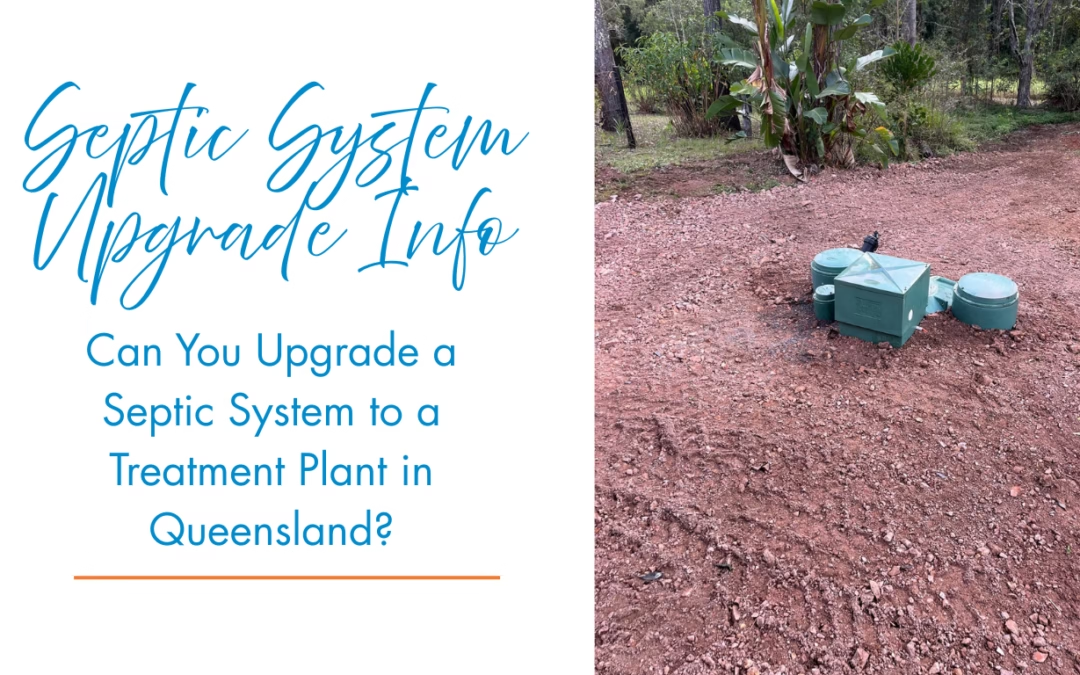
If your home in Pomona, the Noosa Hinterland or surrounding areas is currently using an older septic system, you may be wondering whether it can be upgraded to a modern wastewater treatment plant.
For some properties, upgrading an existing septic system can be a practical way to improve wastewater treatment, address problems with an ageing system and provide a more suitable solution for the property.
However, upgrading from a traditional septic system to a wastewater treatment plant isn’t simply a matter of replacing one tank with another. The right system depends on your property, soil conditions, wastewater requirements, existing infrastructure and the applicable Queensland and local government requirements.
At Plumbing & Gas Services Pomona, we can help homeowners understand their options and arrange the plumbing and installation work required for septic system upgrades and wastewater treatment plant installations.
Why upgrade an existing septic system?
Traditional septic systems can provide effective wastewater treatment when they are correctly designed, installed and maintained. However, an older system may no longer be the best solution for a particular property.
There are several reasons a homeowner may consider upgrading.
Your existing septic system is ageing
Older septic systems can eventually become less suitable as the property, household or wastewater requirements change.
If your septic tank, pipework or disposal area is showing signs of deterioration, it may be worth investigating whether repairing individual components is the best long-term solution or whether a complete upgrade would make more sense.
Your household has changed
A septic system that was suitable when it was originally installed may not necessarily be suitable for the way the property is being used today.
For example, your household may have grown, you may have added bedrooms or bathrooms, or the property may now have a higher wastewater demand.
An assessment can help determine whether the existing system has sufficient capacity for the current requirements of the property.
You are experiencing wastewater or drainage problems
Problems such as unpleasant odours, wet areas around the disposal area, sewage overflows or recurring drainage issues can indicate that the existing wastewater system needs attention.
These problems shouldn’t simply be treated as an inconvenience. An inspection can help determine whether the issue is related to the septic tank, disposal area, pipework or another part of the system.
You want a more advanced level of wastewater treatment
A wastewater treatment plant uses additional treatment processes to produce a higher quality treated effluent than a traditional septic system.
Queensland recognises several types and treatment levels for on-site sewage treatment plants, including secondary and advanced secondary treatment systems.
Depending on the property and the approved system selected, a treatment plant may provide a suitable alternative where a traditional septic system is no longer the preferred option.
Can an existing septic tank simply be converted?
Not necessarily.
Whether your existing septic infrastructure can be retained, modified or needs to be replaced will depend on the individual property and the proposed wastewater treatment system.
A professional assessment should consider factors such as:
- The condition and location of the existing septic tank
- The age and type of the existing system
- Existing wastewater pipework
- The size and layout of the property
- Household occupancy and wastewater volumes
- Soil and site conditions
- The existing effluent disposal area
- Available space for the new treatment plant
- Access for excavation and installation
- Applicable council requirements
- The requirements of the proposed treatment plant
In some situations, parts of the existing system may be able to be incorporated into the upgrade. In other cases, replacing the existing system may be the more appropriate option.
This is why it is important to assess the property before choosing a treatment plant.
Septic system vs wastewater treatment plant
A traditional septic system primarily uses biological processes to treat wastewater before the effluent is discharged into an appropriate below-ground disposal system.
A wastewater treatment plant uses additional treatment processes, which can include mechanical, biological and filtration processes. Depending on the approved system, treated effluent may be suitable for a different type of land application or disposal arrangement.
The best option isn’t necessarily the most advanced system available. It needs to be the system that is appropriate for your property, wastewater requirements and approved disposal method.
For homeowners in Pomona and the surrounding Noosa Hinterland, site conditions are particularly important when determining what type of wastewater solution is suitable.
What is involved in upgrading a septic system?
Every property is different, but a septic upgrade to a wastewater treatment plant will generally involve several stages.
1. Assessing the existing system
The first step is understanding what you already have.
This may include assessing the existing septic tank, pipework, disposal area and the general condition of the system.
2. Assessing the property
The available space, site characteristics, soil conditions, levels and proposed effluent disposal area all need to be considered.
For on-site sewage facilities, Queensland requirements can include a site and soil evaluation and plans showing the proposed treatment plant, connection points and land application area.
3. Selecting a suitable treatment plant
There are a number of wastewater treatment plants available, but not every system is suitable for every property.
The treatment plant must also have the appropriate Queensland approval. Queensland states that a treatment plant without a valid treatment plant approval cannot be installed as part of an on-site sewage facility.
4. Obtaining the required approvals
This is an important part of any septic system upgrade.
Installing an on-site sewage treatment plant in Queensland requires local government approval as well as treatment plant approval under the relevant plumbing legislation.
Noosa Council also notes that septic systems and wastewater treatment plants on non-sewered properties are subject to site conditions and the requirements of the plumbing permit issued by council.
The exact approval process will depend on the property and proposed system.
5. Installation
Once the required approvals and plans are in place, the installation can proceed.
Depending on the project, this can involve:
- Excavation
- Removal or modification of existing equipment
- Installation of the treatment plant
- New wastewater pipework
- Connection of the house to the treatment plant
- Installation or modification of the effluent disposal system
- Electrical and control requirements
- Testing and commissioning
The exact installation requirements will vary according to the selected treatment plant and the property’s design.
6. Ongoing maintenance
A wastewater treatment plant isn’t a “set and forget” system.
Owners have responsibilities to ensure their on-site wastewater facility is properly maintained and serviced in accordance with the manufacturer’s instructions and applicable local government requirements.
Regular servicing helps ensure the system continues to operate as intended.
Is upgrading to a treatment plant better than replacing a septic tank?
Not necessarily — it depends on the property.
For some homes, replacing or repairing a conventional septic system may be the most appropriate solution.
For others, a wastewater treatment plant may provide a better long-term option.
Factors such as available land, soil conditions, existing infrastructure, wastewater requirements and the required effluent disposal method all need to be considered before making the decision.
The important thing is not to choose a system based solely on the tank itself. The entire wastewater management system needs to work together.
What are the signs you should investigate a septic upgrade?
If you’re unsure whether your existing septic system needs upgrading, some warning signs to look out for include:
- Persistent sewage or wastewater odours
- Wet or unusually saturated areas around the disposal area
- Sewage backing up into the property
- Slow drains or recurring wastewater problems
- An ageing or deteriorating septic tank
- Frequent septic system problems
- Changes to the property or household that increase wastewater demand
- Plans to renovate, extend or add bedrooms or bathrooms
- An existing disposal area that is no longer performing adequately
These symptoms don’t automatically mean that you need a wastewater treatment plant. However, they are good reasons to have the existing system assessed.
Septic upgrades in Pomona and the Noosa Hinterland
If your property relies on an older septic system, you don’t necessarily have to wait until it completely fails before looking at your options.
Planning an upgrade early can give you time to investigate the property, determine what type of wastewater system is appropriate and work through the necessary approvals before installation begins.
At Plumbing & Gas Services Pomona, we provide plumbing and wastewater services for properties throughout Pomona, the Noosa Hinterland and surrounding areas.
Whether you’re looking at replacing an ageing septic system, upgrading your existing wastewater infrastructure or installing a wastewater treatment plant, we can help assess the plumbing requirements and installation involved.
Thinking about upgrading your septic system? Contact Plumbing & Gas Services Pomona to discuss your property and wastewater requirements.