
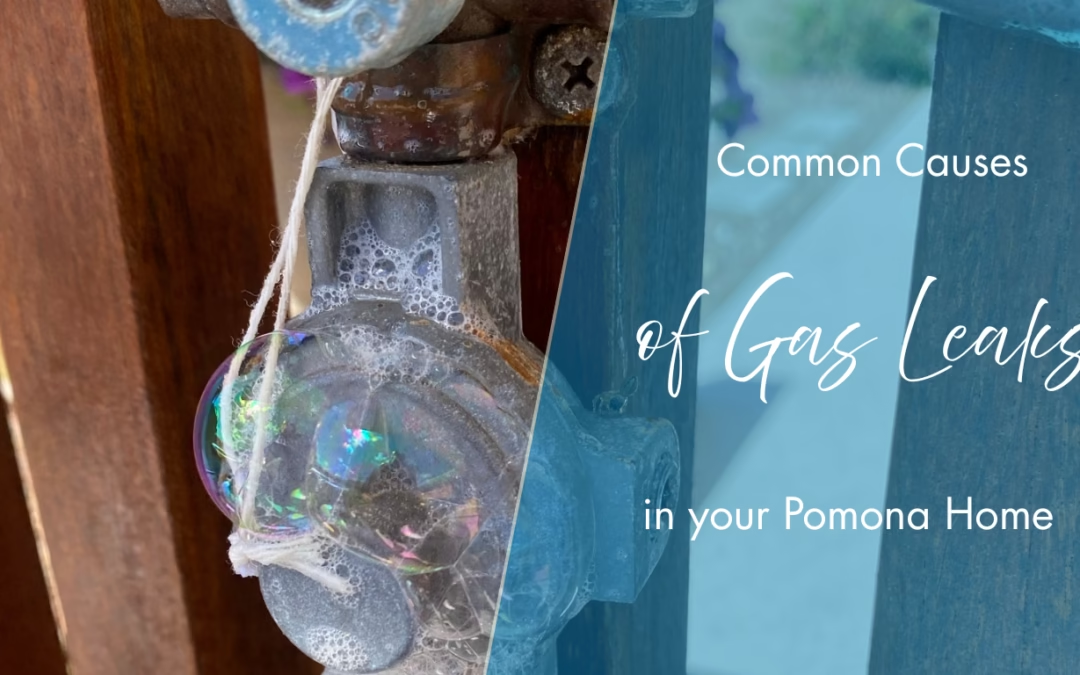
Gas is a convenient and efficient way to power appliances in your home, including cooktops, ovens, hot water systems and outdoor appliances. When a gas system is correctly installed and maintained, it can be very safe.
However, gas leaks can occur for a number of reasons, and knowing the common causes can help you recognise a potential problem before it becomes a serious safety risk.
At Plumbing & Gas Services Pomona, we regularly work with gas appliances, pipework and gas systems throughout Pomona and the surrounding Noosa Hinterland. Here are some of the most common causes of gas leaks in your Pomona home.
1. Loose or Damaged Gas Connections
One of the more common causes of gas leaks is a problem with a connection between the gas supply and an appliance.
Connections can become loose, damaged or deteriorate over time. This can happen due to normal wear and tear, movement of an appliance or previous installation work.
Gas connections should never be tightened, altered or repaired as a DIY project. Gas work in Queensland must be carried out by a licensed gasfitter.
2. Ageing or Deteriorated Gas Pipework
Gas pipework doesn’t last forever. Older pipework can deteriorate, corrode or become damaged, particularly where it is exposed to the elements, moisture or other environmental conditions.
If your home has an older gas installation, it can be worthwhile having the system inspected by a licensed gas fitter, particularly if you notice unusual smells, appliance problems or other changes in how your gas system operates.
The Queensland Government recommends regularly checking gas systems for signs of corrosion, deterioration or damage.
3. Faulty or Poorly Installed Gas Appliances
A gas leak can originate from an appliance itself or from the connections supplying it.
Cooktops, ovens, gas hot water systems, heaters and outdoor gas appliances all need to be installed correctly and in accordance with the manufacturer’s requirements.
Incorrect installation or an appliance that has developed a fault can create a safety issue. Gas appliances should be periodically checked and serviced by a licensed gasfitter.
4. Damaged Hoses, Regulators or Fittings
Flexible gas hoses, regulators and other components can deteriorate or become damaged over time.
This is particularly relevant to LPG appliances, including outdoor BBQs and other gas appliances connected to cylinders. Queensland Government recommends checking hoses, connections and regulators for deterioration or damage.
A damaged hose or fitting should not simply be patched or repaired. Have it assessed and replaced by a licensed gas fitter where required.
5. Gas Leaks Around LPG Cylinders
The cylinder connection, valve, regulator and associated fittings can all potentially develop leaks over time.
LPG is heavier than air, meaning that leaked LPG can collect in low areas such as drains or other low-lying spaces. This makes a suspected LPG leak particularly important to deal with promptly.
If you use LPG at home, make sure cylinders are secured correctly and kept away from ignition and heat sources.
6. Damage During Renovations, Excavation or Landscaping
Home renovations, landscaping and excavation can sometimes damage gas pipework.
This is particularly important if you are digging around your property. Underground gas services may not always be obvious, and damaging a gas line can create a serious safety hazard.
Before undertaking excavation work, use the free Before You Dig Australia service to check for underground services. Queensland Government specifically recommends this before digging where underground gas pipelines may be present.
7. Previous DIY or Unlicensed Gas Work
Another potential cause of gas leaks is gas work that hasn’t been carried out correctly.
Moving a gas appliance, altering pipework, installing a gas cooktop or modifying a gas connection isn’t a job for a handyman or DIY enthusiast.
Queensland Government states that only a licensed gasfitter can carry out gas work, including installing, removing, altering, repairing, servicing, testing or certifying a gas system.
Using a licensed professional from the beginning can help reduce the risk of incorrect installation and associated safety problems.
What Are the Signs of a Gas Leak?
Gas is naturally colourless and odourless, but an odourant is added to fuel gas to give it a distinctive smell similar to rotten eggs. This helps you identify a potential leak.
Possible warning signs include:
- A rotten egg or sulphur-like smell
- A hissing sound around gas pipework or connections
- A gas appliance that isn’t operating normally
- A gas flame that is behaving unusually
- Unexpected changes or increases in gas usage
- Visible damage or deterioration around gas pipework, hoses or fittings
If you suspect a gas leak, reach out to a professional gas fitter to complete a leak detection service. This service is something that we provide and are always able to answer questions about over the phone.
What Should You Do If You Smell Gas?
If you smell gas inside your Pomona home, consider following the below tips.
Don’t light matches, cigarettes or flames, and don’t operate electrical switches or appliances. If it is safe to do so, turn off the gas appliance and ventilate the area by opening doors and windows.
If you can still smell gas, turn off the gas supply if it is safe to do so and contact your gas supplier or a licensed gasfitter.
If there is an uncontrolled gas leak, fire or immediate danger, evacuate the area and call 000.
Do not attempt to locate or repair a gas leak yourself.
Need a Gas Leak Checked in Pomona?
A suspected gas leak isn’t something to put off until tomorrow.
If you suspect a gas leak, need gas pipework inspected or have concerns about a gas appliance in your Pomona home, contact Plumbing & Gas Services Pomona.
We provide professional plumbing and gas services throughout Pomona and the surrounding Noosa Hinterland.
Contact us to arrange a professional gas inspection.
LOOKING TO ORGANISE A QUOTE
CALL NOW
Contact us today for expert advice and assistance!