
Buying a rural property in the Noosa Hinterland can be an exciting experience. Whether you’re looking for a few acres in Pomona, a peaceful property in Kin Kin or a family home in Cooroy, there’s plenty to love about living outside the suburbs.
However, there’s one important feature of rural properties that’s easy to overlook during the excitement of buying a home: the septic system or onsite wastewater treatment plant.
Unlike properties connected to town sewerage, many rural homes rely on their own wastewater management systems. If these systems are ageing, poorly maintained or unsuitable for the property, they can become an unexpected expense for new homeowners.
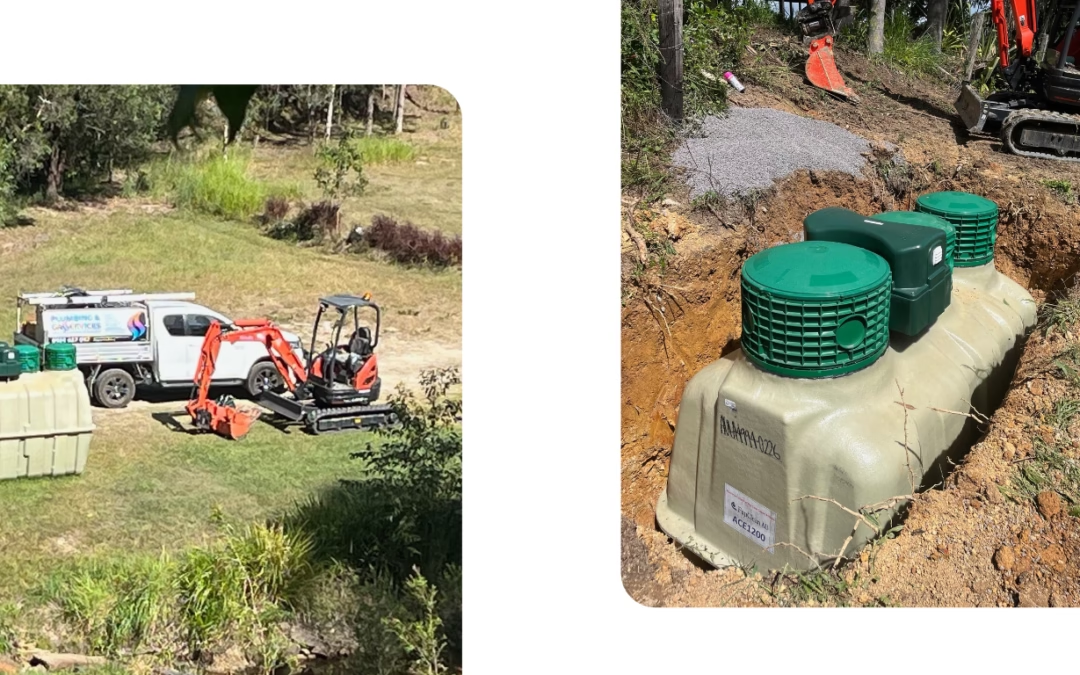
At Plumbing & Gas Services Pomona, we assist property owners throughout the Noosa Hinterland with septic system upgrades and wastewater treatment plant installations.
Here’s what you should know before purchasing a rural property.
1. Understand What Type of Wastewater System the Property Has
Not all rural properties have the same type of wastewater system.
Some older homes have traditional septic tanks, while others have modern onsite wastewater treatment plants designed to treat household wastewater before dispersing it through a designated land application area.
The type of system installed can influence maintenance requirements, servicing costs and whether the existing infrastructure is suitable for the property’s intended use.
When inspecting a rural property, it’s worth asking:
-
Is the property connected to town sewerage or an onsite wastewater system?
-
What type of septic tank or treatment plant is installed?
-
How old is the system?
-
Are there maintenance or servicing records available?
-
Has the system experienced any previous problems?
-
Are council approvals and installation documentation available?
Having this information early can help you understand what you’re purchasing and whether further investigation may be worthwhile.
2. Look for Warning Signs of an Ageing or Failing Septic System
A wastewater system can be out of sight and out of mind, particularly when everything appears to be working normally inside the house.
However, problems aren’t always immediately obvious.
Some warning signs to look out for include:
-
Unpleasant sewage smells around the property.
-
Unusually wet or soggy ground near the septic tank or disposal area.
-
Wastewater surfacing or pooling in the yard.
-
Toilets or household drains frequently backing up.
-
Excessively green or lush grass around the disposal area.
-
Evidence of repeated repairs or ongoing wastewater problems.
These signs don’t necessarily mean the entire system needs replacing, but they can indicate that further investigation is required.
An existing septic system may be repairable, or it may be more practical to consider an upgrade to a modern wastewater treatment plant.
3. Consider Whether the Existing System Is Suitable for Your Plans
One of the biggest considerations when purchasing a rural property is whether the existing wastewater system will accommodate how you intend to use the property.
For example, you might be purchasing a home with plans to:
-
Renovate or extend the existing house.
-
Add additional bedrooms or bathrooms.
-
Build a granny flat or secondary dwelling.
-
Accommodate additional family members.
-
Make other changes that increase household wastewater loads.
An existing septic system may not have been designed to accommodate these changes.
Depending on the proposed development and the capacity of the existing system, an upgrade or new wastewater treatment plant may be required.
It’s always worth investigating this early, particularly if your plans involve substantial renovations or additional dwellings.
4. Check the Wastewater Disposal Area, Not Just the Septic Tank
When people think about septic systems, they often focus on the tank itself.
However, the area where treated wastewater is dispersed into the ground is just as important.
This is known as the Land Application Area (LAA), sometimes referred to as the effluent disposal area.
The suitability of this area depends on several factors, including soil conditions, property size, slope, drainage and proximity to buildings, boundaries and waterways.
On rural properties throughout Pomona, Kin Kin, Cooroy and the surrounding hinterland, these conditions can vary considerably.
An older septic tank might still be functioning, but its existing disposal area may be inadequate, damaged or unsuitable for future development.
This is why assessing the entire wastewater system, rather than simply looking at the tank, is so important.
5. Planning a Septic Upgrade? Start With an Effluent Disposal Report
If you’ve purchased a property that requires a septic system replacement, or you’re considering installing a new wastewater treatment plant, the first step is to have an Effluent Disposal Report prepared.
Also known as a Site and Soil Evaluation Report, this assessment is completed by a suitably qualified professional and helps determine the appropriate wastewater treatment and disposal requirements for your property.
The report considers factors such as:
-
Soil type and its ability to absorb wastewater.
-
Property size, slope and site conditions.
-
Available space for wastewater disposal.
-
Required wastewater treatment capacity.
-
Suitable locations for the treatment plant and land application area.
-
Environmental considerations and applicable setback requirements.
The findings help determine what type of system and disposal method may be suitable for your property.
Why is this important?
Every property is different. A wastewater treatment plant installation that works well on one property may not be suitable for another.
The Effluent Disposal Report provides the information needed to plan the installation correctly, establish the relevant approval requirements and prepare an accurate quotation.
If you’re unsure where to begin, give Plumbing & Gas Services Pomona a call. We can explain the general process and what information you’ll need before proceeding.
6. How Much Does It Cost to Upgrade a Septic System?
This is one of the most common questions homeowners have when considering a wastewater treatment plant installation.
Unfortunately, there isn’t a single price that applies to every property.
Installation costs depend on a range of factors, including:
-
The type and capacity of the treatment plant required.
-
Findings and recommendations from the Effluent Disposal Report.
-
Excavation requirements and site accessibility.
-
Ground conditions and the location of existing services.
-
Whether an existing septic system needs to be removed or decommissioned.
-
The design and installation of the wastewater disposal or irrigation area.
-
Council approval requirements and associated works.
For example, a relatively accessible property with suitable ground conditions may have very different installation requirements compared with a steep block requiring additional excavation or a more complex effluent disposal design.
Rather than providing a general figure that may not accurately reflect your property, we encourage homeowners to contact us directly to discuss their circumstances.
We can talk you through the general installation process, explain the importance of obtaining an Effluent Disposal Report and help you understand what may be involved in upgrading your wastewater system.
Once the necessary report and site-specific information are available, we can work towards providing a more accurate quotation for your installation.
7. Installing a New Wastewater Treatment Plant: What’s Involved?
Although every property is different, a typical wastewater treatment plant installation follows several key stages.
Step 1: Obtain an Effluent Disposal Report
A suitably qualified professional assesses the site and soil conditions and prepares recommendations for the wastewater treatment and disposal system.
Step 2: Review the Design and Installation Requirements
Using the report and proposed design, we can assess the plumbing and installation work involved, including excavation, pipework, treatment plant positioning and the required land application area.
Step 3: Obtain the Necessary Council Approvals
The required documentation and applications must be submitted to the relevant local council, with approval obtained before installation work begins.
Step 4: Install the Wastewater Treatment System
Once the necessary approvals are in place, installation can proceed in accordance with the approved design. This may involve excavation, installation of the treatment plant, connection of household wastewater pipes and construction of the effluent disposal system.
Step 5: Commissioning and Final Requirements
Following installation, the system must be commissioned and the relevant inspections, documentation and compliance requirements completed.
The exact process depends on the type of installation, the approved design and the requirements of the relevant council.
Local Wastewater Treatment Plant Installations in the Noosa Hinterland
At Plumbing & Gas Services Pomona, we understand that wastewater systems aren’t something most homeowners deal with every day.
Whether you’ve recently purchased a rural property, discovered problems with an existing septic system or are planning an upgrade, we’re happy to help you understand your options.
We provide wastewater treatment plant installation and septic upgrade services throughout Pomona, Cooroy, Kin Kin, Cootharaba, the Noosa Hinterland and surrounding areas.
Considering a septic system upgrade or new wastewater treatment plant installation?
Give our friendly team at Plumbing & Gas Services Pomona a call.
We can discuss your property, explain the process involved and help you understand the next steps towards obtaining a site-specific installation quote.
Call 0404 657 047 to discuss your wastewater treatment plant installation or septic system upgrade.
LOOKING TO ORGANISE A QUOTE
CALL NOW
Contact us today for expert advice and assistance!