
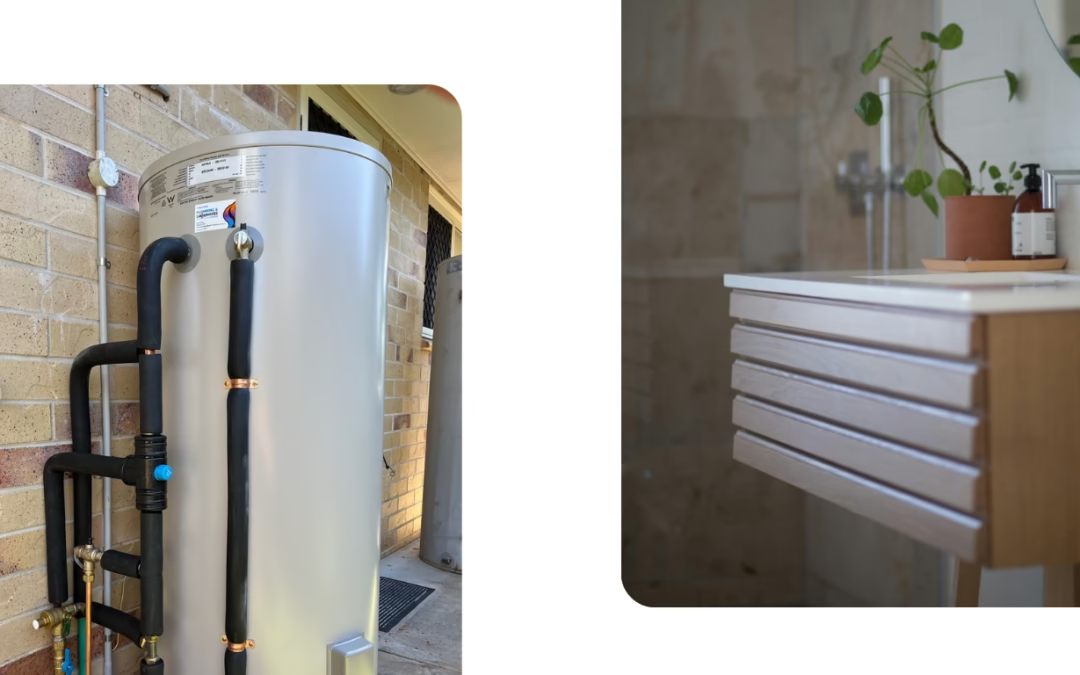
Planning a bathroom renovation? Before you choose your tiles, tapware and vanity, it is worth thinking about the plumbing.
Whether you are renovating a bathroom in Pomona, Cooran, Cooroy, Sunshine Coast, Gympie or elsewhere in the Noosa Hinterland, good plumbing planning can help prevent unexpected costs and problems once the renovation is underway.
A bathroom renovation is also an opportunity to improve the layout, replace ageing plumbing and make your bathroom more functional. However, moving plumbing fixtures or changing drainage can involve considerably more work than simply replacing the visible fixtures.
Here are 10 things to consider before starting your bathroom renovation.
1. Decide whether you are keeping the existing layout
One of the first questions to ask is whether your new bathroom will use the same layout as the existing bathroom.
Keeping the toilet, shower, basin and other fixtures in their existing positions can sometimes reduce the amount of plumbing work required.
However, changing the layout may make much better use of the available space.
For example, you might want to:
- Move the shower to create a larger shower area
- Relocate the vanity
- Change the position of the toilet
- Add a bath
- Create a more accessible shower
- Change from a freestanding vanity to a wall-mounted vanity
Before committing to a new layout, speak with your plumber about what will be involved in moving water supply and drainage.
2. Think about drainage before demolition
Drainage is one of the less visible parts of a bathroom renovation, but it can be one of the most important.
Your plumber will need to consider where wastewater from the shower, basin, bath and toilet will travel and whether the existing drainage is suitable for the new layout.
Moving a fixture may mean that new pipework or drainage connections are required.
This is particularly important in older homes, where existing plumbing may not necessarily have been designed for the bathroom layout you want today.
Planning drainage before work begins can help avoid surprises once the floor or walls are opened.
3. Choose your shower and waste carefully
The shower is often one of the biggest features of a renovated bathroom, but there are several plumbing considerations behind the finished result.
Think about:
- The location of the shower waste
- The type of shower waste
- Shower size
- Water pressure
- Showerhead position
- Handheld shower requirements
- Mixer location
- Whether you are creating a walk-in or open shower
If you are changing the shower location, your plumber can assess the existing drainage and determine what needs to change.
It is much easier to resolve these issues during the planning stage than after the bathroom has already been tiled.
4. Consider your hot-water system
Adding a new bathroom or changing the number of fixtures in your home can affect your hot-water requirements.
For example, if you are adding a larger shower or bath, it is worth considering whether your existing hot-water system is suitable.
If you have gas hot water, your plumber can also check the existing installation and connections as part of your renovation planning.
A bathroom renovation can be a good opportunity to consider whether your hot-water system is still appropriate for your household.
5. Don’t overlook your existing pipework
New tapware and beautiful fixtures can make a bathroom look completely different, but they still rely on the plumbing behind the walls.
If you are renovating an older bathroom, your plumber may find ageing or unsuitable pipework once walls and floors are opened.
Depending on the condition of the existing plumbing, it may be worth replacing sections of pipework while access is available.
Doing plumbing work during a renovation can be considerably easier than discovering a problem several years later when the bathroom is finished.
6. Choose your tapware before plumbing begins
It is a good idea to select your taps, mixers and other plumbing fixtures before your plumber starts rough-in work, and even have them on site before beginning any work.
Different products can have different installation requirements, with components that may need to be installed at different stages (the in-wall components, for example).
For example, wall-mounted taps require plumbing to be positioned within the wall at the correct height and location.
Similarly, your choice of vanity and basin can affect where the water supply and waste connections need to be positioned.
Having your fixtures selected early gives your plumber the information needed to install the plumbing correctly.
7. Think about your vanity and basin configuration
Your vanity might seem like a purely cosmetic decision, but the style you choose can affect the plumbing.
You could choose:
- A floor-mounted vanity
- A floating vanity
- A vessel basin
- An inset basin
- A wall-mounted basin
- A single basin
- A double basin
Each option can require different plumbing arrangements.
If you are installing a floating vanity, for example, you may want the plumbing concealed within the wall rather than having pipes visible underneath.
Discuss your vanity choice with your plumber before the walls are closed.
8. Check whether your property is connected to sewer or septic
This is particularly important for properties around the Noosa Hinterland and rural areas.
If your property is connected to town sewer, your bathroom wastewater will ultimately connect into the sewer network.
If your property is on septic, additional considerations may apply.
Your plumber can assess the existing drainage arrangement and determine whether your proposed renovation is compatible with the existing system.
If you are renovating or adding bathrooms on a rural property, it is worth considering your septic system as part of the overall plumbing plan rather than treating it as an afterthought.
9. Think about accessibility and future needs
A renovation is a great opportunity to think beyond how the bathroom looks today.
You might want to consider:
- A larger, more accessible shower
- Minimal shower steps
- Grab rail provisions
- Comfortable fixture heights
- Easy-to-use tapware
- Adequate space around the toilet
- A layout that will remain practical as your needs change
Even if you do not need accessibility modifications now, considering future requirements while the bathroom is being renovated can be worthwhile.
10. Get your plumber involved before the renovation starts
One of the biggest mistakes homeowners can make is leaving the plumbing until after the bathroom design has already been finalised.
Your plumber can help identify potential issues before demolition begins, including drainage requirements, pipework, fixture locations, hot-water requirements and existing plumbing problems.
Early planning can also help your builder, tiler, electrician and plumber coordinate their work.
Planning a bathroom renovation in Pomona or the Noosa Hinterland?
Whether you are updating an existing bathroom or creating a completely new bathroom, getting the plumbing right from the beginning can make the renovation process much smoother.
At Plumbing & Gas Services Pomona, we provide plumbing services for bathroom renovations, new bathrooms and plumbing upgrades throughout Pomona and the surrounding Noosa Hinterland and Sunshine Coast areas.
If you’re planning a bathroom renovation and want to discuss the plumbing before you get started, get in touch with our team.
Plumbing & Gas Services Pomona
Serving Pomona, the Noosa Hinterland and surrounding areas.
Call us to discuss your bathroom renovation plumbing requirements.
LOOKING TO ORGANISE A QUOTE
CALL NOW
Contact us today for expert advice and assistance!