
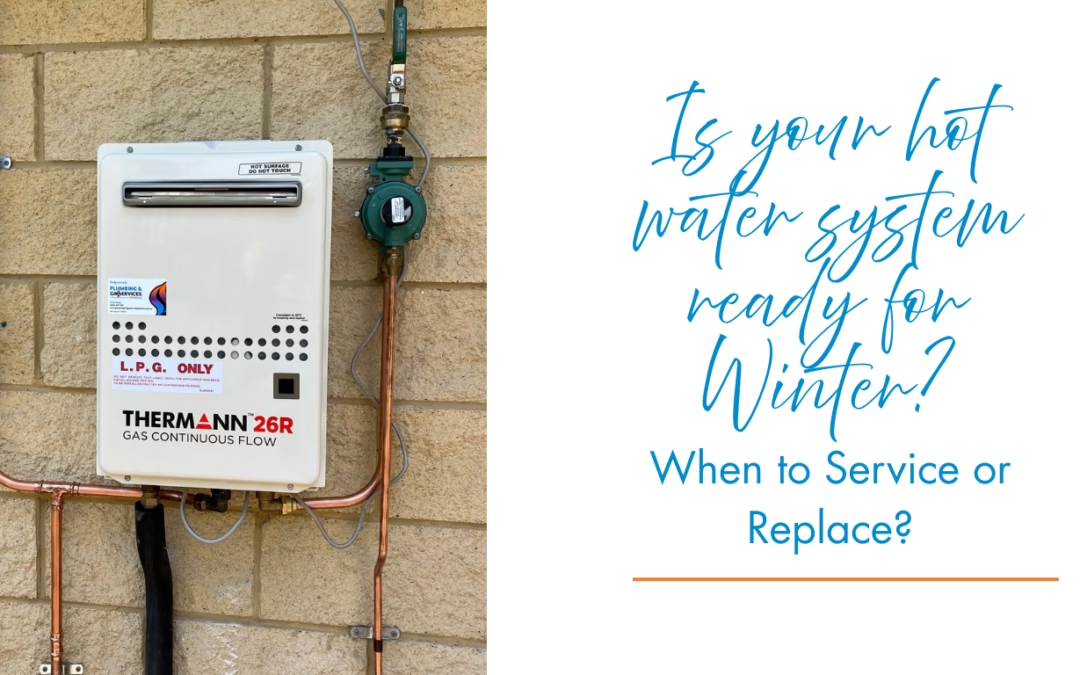
There is nothing worse than stepping into a cold shower on a chilly winter morning. While most homeowners expect their hot water system to provide reliable hot water year-round, many don’t realise that winter places significantly more demand on both electric and gas hot water systems.
As temperatures drop across Pomona and the Noosa Hinterland, your hot water system must work harder to heat colder incoming water while also keeping up with increased household demand. For older systems, winter can be the season when existing problems become impossible to ignore.
Understanding why hot water systems work harder in winter can help you identify warning signs early and avoid a complete breakdown when you need hot water most.
Why Hot Water Systems Work Harder During Winter
Incoming Water Is Colder
During winter, the water entering your home through the mains supply is much colder than it is during the warmer months.
Whether you have a gas or electric hot water system, the unit must raise the temperature of that water significantly more before it reaches your taps, showers, and appliances.
This means your system runs longer, uses more energy, and experiences additional wear and tear.
Households Use More Hot Water
Most families naturally increase their hot water usage during winter.
Common reasons include:
- Longer showers
- Hotter showers
- More frequent baths
- Increased laundry loads
- Greater use of hot water for cleaning
When demand increases, older or undersized systems may struggle to keep up.
Ageing Components Are Put Under Pressure
Many hot water systems perform adequately during warmer weather despite developing faults over time.
Winter often exposes these issues because the system must work harder and recover more quickly between uses.
Problems such as worn heating elements, failing thermostats, sediment build-up, corrosion, or ageing burners can all impact performance.
Signs Your Hot Water System May Need Replacing
You’re Running Out of Hot Water More Often
If your family can no longer get through normal daily routines without running out of hot water, your system may be undersized, inefficient, or nearing the end of its lifespan.
Water Temperature Is Inconsistent
Hot water that fluctuates between hot and cold is one of the most common signs of a failing system.
This can indicate issues with heating elements, thermostats, gas burners, tempering valves, or internal components.
Your Energy Bills Are Increasing
As hot water systems age, they often require more energy to produce the same amount of hot water.
An unexplained increase in electricity or gas bills may indicate your system is losing efficiency.
Rust, Leaks, or Corrosion Are Visible
Water around the base of the unit, rust stains, or visible corrosion are often signs that replacement should be considered sooner rather than later.
Small leaks can quickly become major failures.
Frequent Repairs Are Becoming Necessary
If you’re regularly paying for repairs, replacement may provide better value and reliability in the long term.
Investing in a new system can often save money compared to repeatedly repairing an ageing unit.
Your System Is More Than 10 Years Old
Most hot water systems have a lifespan of approximately 8–15 years depending on the type, usage, water quality, and maintenance history.
If your system is over 10 years old, winter is an ideal time to assess whether upgrading could improve reliability and efficiency.
Benefits of Upgrading Before Your System Fails
Many homeowners only think about replacing their hot water system after it stops working altogether.
Unfortunately, emergency replacements often happen at the most inconvenient times.
By upgrading proactively, you can enjoy:
- Improved energy efficiency
- Lower running costs
- More reliable hot water
- Faster recovery times
- Better suitability for your household’s needs
- Modern warranty protection
- Reduced risk of unexpected breakdowns
Most importantly, you’ll avoid being left without hot water during the coldest months of the year.
Gas or Electric: Which Hot Water System Is Right for You?
Every household has different hot water requirements.
Factors such as household size, energy usage, available utilities, budget, and property layout all influence the best solution.
At Plumbing & Gas Services Pomona, we install and replace both electric and gas hot water systems and can help you choose the most suitable option for your home.
Our team provides honest advice based on your household’s needs rather than a one-size-fits-all recommendation.
Need Hot Water System Advice in Pomona?
Plumbing & Gas Services Pomona provides hot water system servicing, repairs, replacements, and new installations throughout Pomona, Cooran, Cooroy, Kin Kin, Boreen Point, Federal, and the surrounding Noosa Hinterland.
If your hot water system is showing signs of age or struggling to keep up with winter demand, now is the perfect time to have it assessed.
Contact Plumbing & Gas Services Pomona today and stay ahead of costly winter hot water breakdowns.
LOOKING TO ORGANISE A QUOTE
CALL NOW
Contact us today for expert advice and assistance!